If you are looking to drive a car legally on UK roads, the category b driving licence is the standard qualification you need. Whether you are a first time driver, a new UK resident, or simply looking to understand what your entitlement actually covers, this guide gives you everything you need to know clearly and in one place.
For expert support and resources on obtaining your category b driving licence in the UK, visit ukdrivinglicenceservice.co.uk — your trusted UK driving resource.
What Is a Category B Driving Licence?
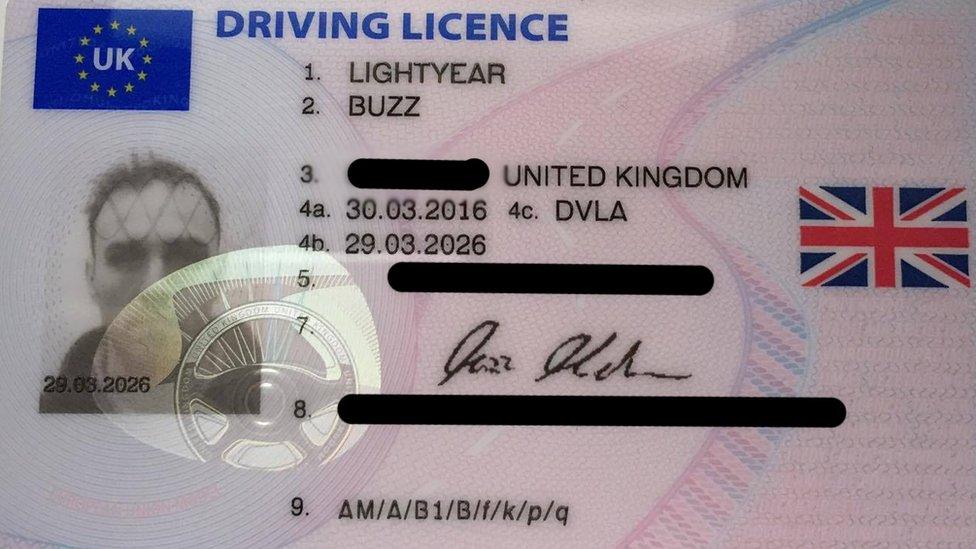
The category b driving licence is the standard car driving qualification issued in the United Kingdom. It is the most common type of driving entitlement held by drivers across the UK and covers the right to drive standard passenger cars and light vehicles on public roads. It is issued by the Driver and Vehicle Licensing Agency, commonly known as the DVLA, and is recognised across all EU and EEA member states as a valid driving entitlement. It also serves as one of the most widely accepted forms of photo identification in the United Kingdom.
What Vehicles Can You Drive?
With a standard category b driving licence you are permitted to drive vehicles with a maximum authorised mass of up to 3,500 kg, vehicles with no more than 8 passenger seats in addition to the driver, and vehicles towing a trailer with a maximum authorised mass of up to 750 kg. With additional trailer entitlement you may also tow heavier trailers provided the combined weight of the vehicle and trailer does not exceed 3,500 kg. For heavier combinations beyond this limit you will need an additional entitlement.
How to Obtain a Category B Driving Licence in the UK
Obtaining your entitlement follows a clear and structured process that every new driver must complete. Here is a step by step breakdown of exactly what is involved.
Step One — Apply for Your Provisional Entitlement
The first step is applying for a provisional driving entitlement through the official GOV.UK website or by post using form D1. You must be at least 17 years old to apply, though you can apply from the age of 15 years and 9 months in advance. You will need a valid UK passport for the online application. The fee is £34 online or £43 by post.
Step Two — Pass the Theory Test
Before sitting your practical driving test you must first pass the theory test. This is a two part examination consisting of a multiple choice section covering the Highway Code and road safety, and a hazard perception section where you watch video clips and identify developing hazards. Both parts must be passed in the same sitting. The theory test costs £23 and your pass certificate is valid for two years.
Step Three — Take Driving Lessons
With your provisional entitlement obtained and your theory test passed you should begin taking driving lessons with a DVSA approved driving instructor (ADI). Research suggests that the average learner requires around 45 to 47 hours of professional tuition before being ready to sit the practical test. Always verify that your instructor displays a valid green ADI badge in their windscreen before beginning lessons.
Step Four — Pass the Practical Driving Test
The practical driving test is the most important milestone on your road to a category b driving licence. You can book your test through the official DVSA website once your instructor considers you ready. The test costs £62 on weekdays and £75 for evenings and weekends. It lasts approximately 40 minutes and includes urban and rural driving, a period of independent driving following a sat-nav for around 20 minutes, show me tell me vehicle safety questions, and one driving manoeuvre such as parallel parking, bay parking, or pulling up on the right.
You are permitted up to 15 minor faults during your test. A single serious or dangerous fault will result in a fail. If you do not pass first time you can rebook and retake the test as many times as needed.
Step Five — Receive Your Full Entitlement
After passing your practical test the DVSA notifies the DVLA and your full category b driving licence is posted to your registered address. In most cases you do not need to make a separate application. Your entitlement is valid for 10 years for most drivers and must be renewed when the photo becomes out of date.
Costs at a Glance
Understanding the full cost of obtaining your entitlement helps you plan and budget effectively. The provisional application costs £34 online or £43 by post. The theory test costs £23. The practical test costs £62 on weekdays or £75 for evenings and weekends. Driving lessons typically range from £30 to £40 per hour. At an average of 47 hours of tuition the total lesson cost can range from £1,410 to £1,880. The total overall cost from start to finish typically falls between £1,500 and £2,000 for most learners.
Entitlement Codes Explained
When you receive your category b driving licence you will notice a series of codes printed on the back of the photocard. These codes indicate any restrictions or conditions that apply to your entitlement. Code 01 indicates that the holder must wear corrective lenses while driving. Code 78 restricts the holder to vehicles with automatic transmission only. Code 96 indicates that the holder is permitted to tow a trailer with a combined weight of up to 4,250 kg under certain conditions. Always check these codes carefully to ensure you are driving within the conditions of your entitlement at all times.
Exchanging a Foreign Entitlement
If you hold a driving entitlement from another country and have moved to the UK, the process for obtaining a category b driving licence depends on where your original entitlement was issued. If it was issued by an EU or EEA country you can exchange it directly through the DVLA without sitting a theory or practical test. If it was issued by a designated country such as Australia, Canada, New Zealand, South Africa, or Japan you can also exchange it through a simplified process without retesting. If your entitlement was issued by a country not on the UK designated list you must complete the full process from provisional entitlement through to passing both tests.
Renewing Your Entitlement
Your photocard must be renewed every 10 years to keep the photograph up to date. Renewing is straightforward and free of charge — simply apply online through GOV.UK or by post using form D1. Drivers aged 70 and over must renew every 3 years rather than every 10. There is no upper age limit for holding a category b driving licence in the UK provided the holder continues to meet the necessary medical and eyesight standards.
Tips for Passing First Time
Passing your practical test first time is the goal of every learner. Book your theory test early and give yourself at least 4 to 6 weeks of consistent daily preparation. Choose a DVSA approved driving instructor with strong reviews and verify their ADI status before booking lessons. Practice regularly between lessons with a supervising driver who meets the legal requirements. Book your practical test as soon as your instructor recommends you are ready — waiting times across the UK can exceed 10 weeks in busy areas so always book early.
Conclusion
The category b driving licence is the foundation of legal driving in the United Kingdom and one of the most valuable qualifications any UK resident can hold. From understanding what vehicles you are permitted to drive to navigating the step by step process of obtaining your entitlement, this guide puts you in the best possible position to achieve your goal efficiently and with confidence.
For more guides, resources, and expert support on obtaining your category b driving licence in the UK, visit ukdrivinglicenceservice.co.uk today.