Click here to apply for Licence
Planning to apply for a driving licence in UK is an exciting step, but knowing where to begin can feel overwhelming. The UK licence system covers a wide range of vehicle categories, from everyday cars to minibuses and motorcycles. Whether you are interested in a category b driving licence for car driving, a d1 licence for passenger vehicles, an england motorcycle license, or a motorbike licence for two wheeled freedom, this guide will walk you through everything you need to know clearly and confidently.
Understanding the UK Driving Licence System
The UK driving licence is issued by the DVLA and covers multiple vehicle categories on a single document. When you apply for a driving licence in UK, you are not simply applying for one generic permit. You are applying for specific entitlements that authorise you to operate particular types of vehicles. Each category has its own minimum age requirement, training pathway, and testing process. Understanding this system before you begin will save you time and help you choose the right route for your needs.
Who Is Eligible to Apply for a Driving Licence in UK
To apply for a driving licence in UK you must meet the basic eligibility criteria set by the DVLA. You need to be at least 15 years and 9 months old to apply for a provisional licence, though the minimum driving age on public roads is 16 for mopeds and 17 for cars. You will need a valid passport or accepted identity document, your National Insurance number, and a record of all addresses where you have lived over the past three years. Any medical conditions that could affect your ability to drive must be declared at the time of application.
Step One — Obtaining Your Provisional Licence
The first practical step when you apply for a driving licence in UK is obtaining your provisional entitlement through the official GOV.UK website. The application takes around ten minutes online and costs £34. You will need a valid UK passport to apply online. If you do not hold a UK passport, you can apply by post using the D1 form available from any Post Office branch. Your provisional licence will typically arrive within one to two weeks and allows you to begin learning on public roads under supervision.
Category B Driving Licence — Cars and Light Vehicles
The category b driving licence is the most common licence held in the UK and covers cars and light vehicles up to 3,500kg with up to eight passenger seats. For most people looking to apply for a driving licence in UK for everyday use, the category b driving licence is the starting point and the ultimate goal.
To obtain a full category b driving licence you must pass the standard DVLA theory test followed by a practical car driving test. The theory test costs £23 and the practical test costs £62 on weekdays. Holding a full category b driving licence also automatically grants you entitlement to drive smaller vehicle categories including mopeds and light motorised vehicles. If you wish to tow heavier trailers beyond 750kg, you will need an additional BE category test on top of your category b driving licence.
D1 Licence — Minibus and Passenger Vehicle Entitlement
If your goal is to drive a minibus, you will need to obtain a d1 license in addition to your standard car entitlement. The d1 license covers minibuses with between nine and sixteen passenger seats and a maximum vehicle length of eight metres, with an allowance to tow small trailers up to 750kg.
To qualify for a d1 license you must already hold a full category B licence. You will then need to pass a large vehicle theory test, complete a medical examination confirming you meet the higher health standards required for passenger carrying vehicles, and pass a dedicated practical minibus driving test. If you are driving commercially, you will also need to obtain a Driver Certificate of Professional Competence. The d1 license is essential for school transport drivers, community organisations, and charity operators who regularly carry groups of passengers.
England Motorcycle License — Getting Started on Two Wheels
For those wanting to ride a motorcycle, obtaining an england motorcycle licence begins with completing Compulsory Basic Training known as CBT. CBT is a structured one day course covering essential riding skills and road safety awareness. After completing CBT you can ride a motorcycle up to 125cc with L plates displayed, but this is a temporary entitlement valid for two years only.
To obtain a full england motorcycle licence you must pass the dedicated motorcycle theory test and then complete the two part practical motorcycle assessment. Module 1 takes place off road and tests slow speed control and set manoeuvres. Module 2 is conducted on public roads and assesses your ability to ride safely and confidently in real traffic. The england motorcycle licence is divided into subcategories based on power and age, with A1 covering light motorcycles from age 17, A2 covering mid range motorcycles from age 19, and the full category A from age 24 or 21 through progressive access.
Motorbike Licence — Upgrading to Full Unrestricted Riding
The full motorbike license represents the highest level of motorcycle entitlement in the UK and allows you to ride any motorcycle regardless of engine size or power output. Many riders work their way up through the subcategories before reaching the full motorbike license, which requires a minimum age of 24 or 21 through the progressive access route.
If you already hold an A2 entitlement and have done so for at least two years, you can upgrade to the full motorbike license by passing a single practical test without retaking the theory. Riding a motorcycle that exceeds your current motorbike license entitlement is a serious offence that can result in prosecution and invalidate your insurance, so always ensure your licence matches the vehicle you intend to ride.
Holding Multiple Categories on One Licence
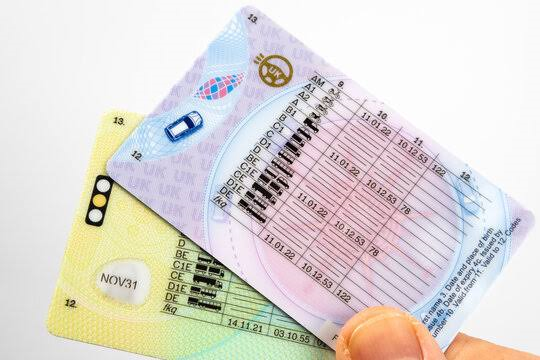
One of the advantages of the UK system is that when you apply for a driving licence in UK across multiple categories, all your entitlements appear on a single physical document. You could hold a category b driving licence for cars, a d1 licence for minibuses, and a full motorbike licence all recorded on the same card. Each category requires its own separate testing and qualification process, but together they give you the flexibility to operate a wide range of vehicles legally and confidently.
Applying as an Overseas Resident
If you have recently moved to the UK and hold a foreign licence, you may be able to exchange it for a UK equivalent without retaking tests, depending on your country of origin. However the exchange only covers the categories already shown on your foreign licence. If you want to add a d1 licence, obtain an england motorcycle license, or gain a motorbike licence that was not included on your original document, you will need to go through the full UK application process for those categories separately.
How We Can Help You Apply for a Driving Licence in UK
At UK Driving Licence Service we know that navigating the process to apply for a driving licence in UK can raise many questions, particularly when multiple categories, medical requirements, or overseas exchange rules are involved. Our experienced team provides clear guidance and practical support across all licence types including category b driving licence applications, d1 licence requirements, england motorcycle license pathways, and motorbike licence upgrades. Reach out to us today and let us help you get the right licence quickly, correctly, and with complete peace of mind